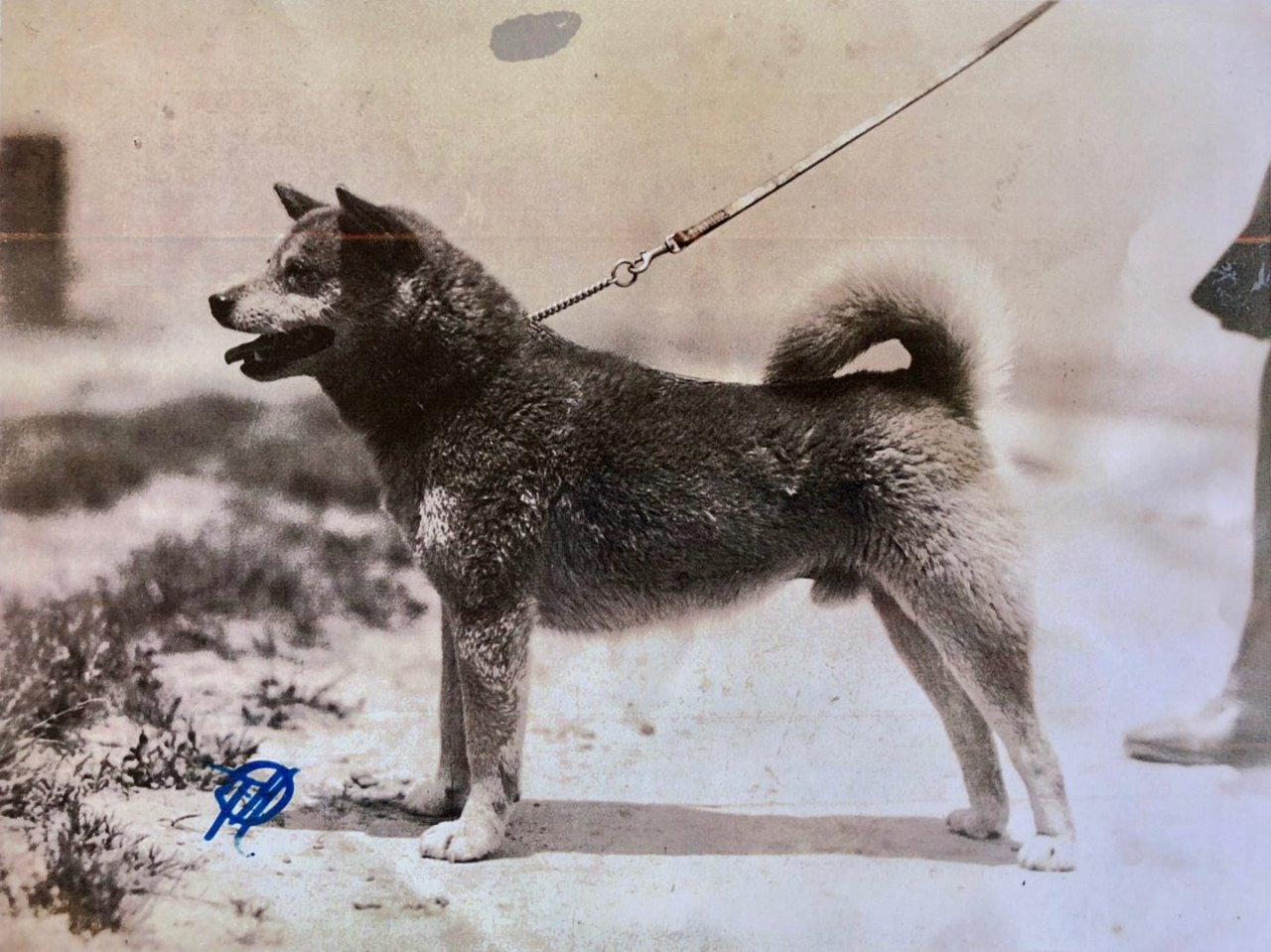
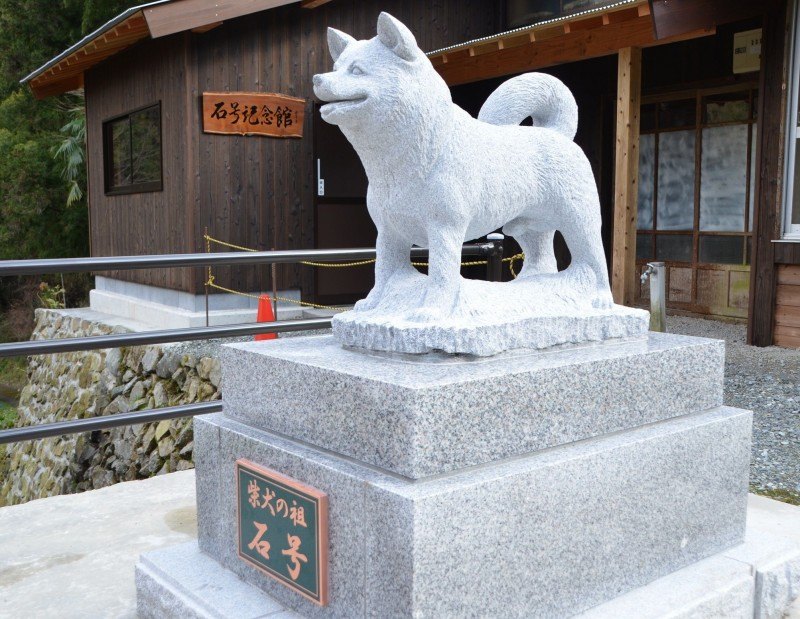
In 1936 a Tokyo dentist carried a five year old hunting dog out of the mountains of Shimane. The dog was called Ishi, "stone." Nearly every pedigreed Shiba Inu alive today descends from him.

May 1936. A Tokyo dentist named Tsurukichi Nakamura went into Shimane Prefecture looking for Japanese dogs that had not been crossed with Western breeds.
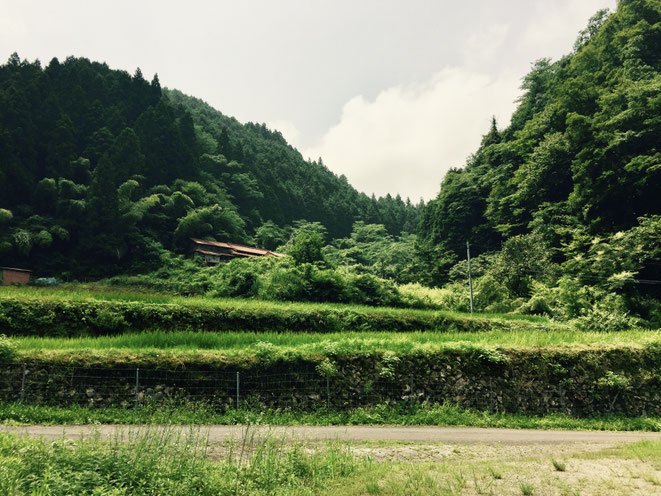
In the village of Futakawa, in what is now Mito, Masuda City, he found a five year old hunting dog living with a hunter named Shin'ichi Shimoyama. The dog was called Ishi, "stone."
Nakamura brought him down from the mountain to Tokyo. Ishi was registered with the Japan Dog Preservation Society as a pure small Japanese dog, studbook number 170, and within weeks he was taking prizes at shows in Tokyo and Osaka.
He was bigger than today's Shiba, with a rounder face and a short nose, and a dense coat that shed water.
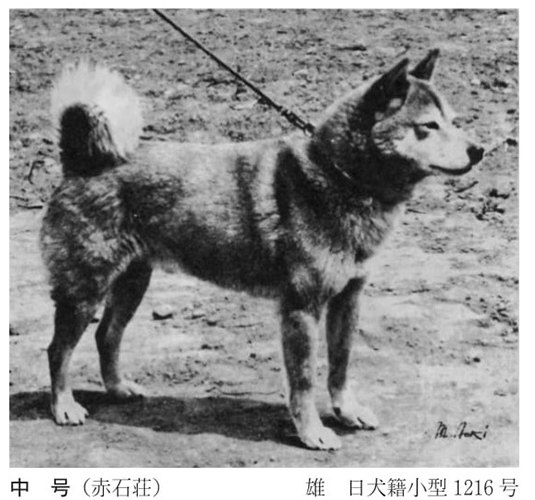
Ishi was bred to Koro, a female from Shikoku, and produced Aka. Aka and Hana from Tottori produced Beniko. Aka and Meigetsu, a village dog from Yamanashi, produced Akani. Akani and Beniko produced Naka, born in 1948, the foundation dog of the postwar restoration. Every pedigreed Shiba since runs through those two dogs, and seventy years later one of them ended up on a coin.


Solid lines are the pedigree as recorded by the Japan Dog Preservation Society.
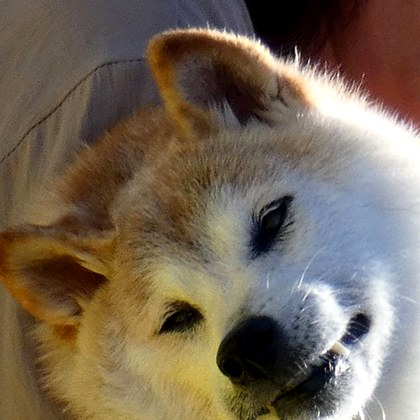
The broken line is breed descent, not paperwork: Kabosu was a rescue and was never registered.
Aka had been taken in by a family in Kofu. During the air raid on the city his owner heard the sirens, cut the collars off Aka, Akani and Beniko, and let them run as Kofu burned.
Akani and Beniko came back. Aka, by then old, never did.
Ishi's own breed did not survive either. The Sekishu Ken died out around 1965, finished by wartime famine, distemper and the end of mountain hunting. The breed that produced the father of every Shiba no longer exists.
Kabosu was a rescue with no papers, so nobody can print her pedigree. The breed she belonged to exists because Ishi was carried off that mountain in 1936.
Ishi's old home still stands. The site is called Ishi Go no Sato, the Village of Ishi. There is a memorial hall there, built by Mayumi Kawabe, who started the Sekishu Ken research lab after her own Shiba died in 2014 and spent years tracing the line back.
Two stone statues stand in the valley. The plaque on the first one reads 柴犬の祖 石号, ancestor of the Shiba Inu, Ishi Go. Shiba owners make the trip to see them.
Ishi Go on Solana. The contract address is published here at launch and nowhere else. Verify it against this page before you buy anything.